Small society lotteries offer registered charities, community groups, sports clubs, village halls, PTAs, and non-profit organisations a fantastic opportunity to raise funds whilst staying compliant with UK gambling laws. Unlike commercial lotteries, these community-focused draws allow your organisation to keep a significant portion of proceeds for your good cause.
In This Guide
Key Takeaways
- Small society lottery registration UK costs £40 initially, then £20 annually
- Maximum £20,000 sales per draw, £250,000 annually
- Minimum 20% of proceeds must go to your cause
- Prize values cannot exceed £25,000
- Compliance returns must be submitted within 3 months
- Charity raffle licence requirements vary by local council
What is a Small Society Lottery?
A small society lottery is run by and for registered organisations, with all proceeds supporting the group’s charitable objectives. Unlike commercial lotteries that generate profits for operators, every penny raised goes towards furthering your organisation’s work in the community.
The beauty of small society lotteries lies in their accessibility. You can sell tickets and award prizes without requiring permission from the Gambling Commission, making them an ideal fundraising solution for organisations of all sizes. For even simpler fundraising options, explore how to run a raffle without a licence. This streamlined approach means everyone involved has a vested interest in the lottery’s success.
Did You Know?
Small society lotteries raised over £300 million for good causes across the UK in 2022, demonstrating their vital role in community fundraising.
Registration Process
Registering your small society lottery is straightforward but essential for legal operation. Start by using GOV.UK to locate your local council and contact their licensing authority for specific forms and requirements.
The registration fee is £40 for the first year, followed by £20 annual renewal fees. Ensure you complete this process well before planning to sell tickets, as operating an unregistered lottery can result in significant fines or forced closure.
Your local authority will provide guidance on their specific requirements, as these can vary slightly between councils. Most applications are processed within 2-4 weeks, so factor this timeframe into your event planning.
Ticket Requirements
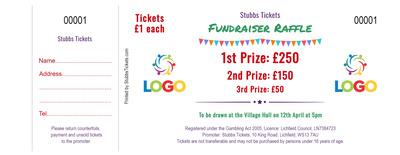
Professional raffle tickets must display specific information to comply with regulations. Each ticket needs to show your society’s name, the uniform ticket price, and the organiser’s details (or External Lottery Manager if using one).
Additionally, tickets must include the draw date or information enabling buyers to determine when the draw will occur. This transparency builds trust with participants and ensures regulatory compliance.
Remember that you can only sell tickets to people aged 16 and over. Consider implementing age verification procedures, especially when selling raffle tickets at events where younger people might be present.
| Required Information | Purpose |
|---|---|
| Society name | Identifies the benefiting organisation |
| Ticket price | Must be uniform across all tickets |
| Organiser details | Contact information for accountability |
| Draw date | When winners will be determined |
Financial Rules and Claiming Costs
Small society lotteries operate under strict financial guidelines designed to protect both participants and beneficiaries. You can claim up to 80% of ticket sales for prizes and running expenses, ensuring a substantial portion supports your cause.
The remaining 20% minimum must go directly to your organisation’s charitable purposes. This guarantees that every lottery genuinely benefits the community, distinguishing small society lotteries from commercial gambling operations.
Keep detailed records of all income and expenditure, as you’ll need to submit these to your local authority within three months of each draw. Proper bookkeeping also helps when planning future fundraising activities.
Essential Compliance Rules
Several key rules govern small society lottery operations, ensuring fair play and community benefit. Understanding these regulations is crucial for successful, compliant fundraising.
Sales Limits
Your small society lottery registration UK allows maximum sales of £20,000 per individual draw and £250,000 annually across all lotteries. These limits protect the small society lottery system from commercial exploitation whilst allowing meaningful fundraising.
Prize Restrictions
Individual prize values cannot exceed £25,000, including any rolled-over amounts from previous draws. This ensures prizes remain proportionate to community-focused fundraising rather than competing with commercial lotteries.
Must Follow
- Allocate minimum 20% to good causes
- Charge uniform ticket prices
- Take payment before draw entry
- Submit returns within 3 months
Cannot Do
- Offer prizes worth over £25,000
- Sell over £20,000 per draw
- Exceed £250,000 annual sales
- Sell tickets in public streets
Prize rollover is permitted between your society’s lotteries, but rolled prizes cannot exceed the £25,000 limit. This flexibility allows you to create exciting prize offerings whilst maintaining regulatory compliance.
You can sell tickets through various channels including door-to-door, online, telephone, or face-to-face sales. However, street selling (including shopping mall passages) is prohibited, so plan your sales strategy accordingly.
Using an External Lottery Manager
External Lottery Managers (ELMs) can handle technical aspects of your lottery, from online ticket sales to prize draw operations. This professional support can be invaluable for organisations lacking technical expertise or time to manage complex lottery systems.
Before engaging an ELM, verify their registration with your local authority. You must also demonstrate retained control over lottery operations, ensuring your organisation’s values and objectives guide the process.
ELMs often provide sophisticated platforms that can significantly increase ticket sales whilst ensuring full compliance. Consider this option if you’re planning larger-scale fundraising activities or lack internal resources for lottery management.
Advertising Guidelines
Responsible advertising is essential for maintaining public trust and regulatory compliance. Your promotional materials must clearly identify your organisation as the lottery operator and explain how proceeds will benefit your cause.
Avoid making false or misleading claims about prizes, odds, or your organisation’s work. Transparency builds credibility and encourages participation from supporters who genuinely want to help your cause.
Never offer prizes or donations in exchange for ticket purchases, as this constitutes inducement and violates lottery regulations. Focus on promoting your cause and the excitement of participation rather than guaranteed rewards.
Pro Tip
Use social media and community networks to spread awareness about your lottery. Personal recommendations from supporters often prove more effective than traditional advertising methods.
Staying Compliant
Maintaining compliance requires ongoing attention to regulations and best practices. Seek professional legal advice if you’re uncertain about any aspect of lottery operation, as non-compliance can result in serious penalties.
Consider joining networks of similar organisations to share experiences and learn from others’ successes. Many successful PTA fundraising groups use small society lotteries as part of their regular fundraising calendar.
Regular review of Gambling Commission guidance ensures you stay current with any regulatory changes. The landscape evolves, so maintaining awareness protects your organisation from inadvertent violations.
Frequently Asked Questions
Professional Raffle Tickets for Your Small Society Lottery
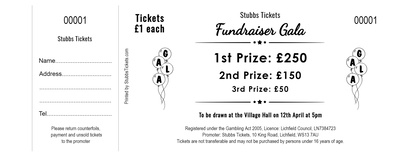
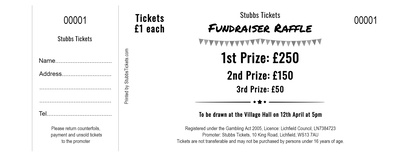
Ensure compliance with high-quality, professionally printed raffle tickets that include all required information. Our tickets are specifically designed for UK fundraising regulations and printed with care in our Kent facility.
Please remember that the above is guidance only and Stubbs Tickets cannot be held responsible for any actions or decisions taken based on this information. Always seek professional legal advice for specific situations.