Volunteers are the backbone of successful fundraising events, yet many UK organisations struggle with British charity volunteer recruitment and management. Whether you’re planning a school fair, charity raffle, or community fundraiser, having the right volunteers in place can make the difference between a mediocre event and a truly memorable one that exceeds your fundraising goals.
In This Guide
Key Takeaways
- Start UK volunteer recruitment 6-8 weeks before events using targeted approaches for different demographics
- Implement proper volunteer screening processes and background checks for safeguarding compliance
- Use volunteer management software and nonprofit CRM integration to streamline coordination
- Develop contingency plans for volunteer cancellations and last-minute replacements
- Create year-round engagement strategies to retain British charity volunteers long-term
Volunteer Recruitment Strategies That Work
Successful UK volunteer recruitment begins long before your fundraising event. The key is casting a wide net whilst targeting the right volunteers for specific roles. Start by identifying what types of volunteer positions you need to fill, from setup crew to ticket sellers to cleanup teams.
Pro Tip
Create specific job descriptions for each volunteer position. People are more likely to volunteer when they understand exactly what’s expected of them and how much time they’ll need to commit.
Social media platforms remain one of the most effective channels for local volunteer recruitment strategies. Post regularly about upcoming opportunities, share photos from previous events, and highlight the positive impact volunteers make. Don’t overlook traditional methods either – word-of-mouth referrals from existing volunteers often yield the most committed recruits.
When recruiting for PTA fundraising events, consider reaching out through school newsletters and parent WhatsApp groups. These channels often have high engagement rates among your target volunteer demographic.
Targeting Different Volunteer Demographics
Different groups respond to different recruitment approaches. Students might be motivated by gaining work experience, whilst retirees may value social connection and giving back to their community. Corporate social responsibility programmes offer another avenue, with many businesses encouraging employees to volunteer during work hours.
Consider micro-volunteering opportunities for busy individuals who can only commit small amounts of time. These bite-sized roles help you engage volunteers who might otherwise feel unable to participate in larger commitments.
Recruiting Student Volunteers
Student volunteers bring energy and fresh perspectives to charity event staffing. Universities in London, Manchester, and Birmingham often have established volunteering societies and community action groups. Contact student union volunteering coordinators to access these networks efficiently.
Develop partnerships with local colleges offering business, marketing, or event management courses. Students gain practical experience whilst your organisation benefits from their enthusiasm and digital skills. Create structured volunteer coordinator responsibilities that help students understand professional event management.
Student Engagement Strategy
Offer students certificates of participation and LinkedIn recommendations. Many are building portfolios for future careers and value professional recognition alongside volunteering experience.
Corporate Social Responsibility (CSR) Volunteers
Many UK companies actively seek meaningful CSR opportunities for their teams. Law firms in London, tech companies in Manchester, and manufacturing businesses in Birmingham often allocate paid volunteer days for employees. This represents high-quality volunteer recruitment with built-in motivation.
Approach CSR managers with specific project proposals rather than general requests. Corporate volunteers excel in roles requiring project management skills, such as coordinating charity event staffing schedules or managing volunteer scheduling software systems.
- Professional project management experience
- Team-building motivation from participating together
- Potential for ongoing corporate partnerships
- Skills in digital tools and nonprofit volunteer onboarding processes
Volunteer Screening and Background Checks
Beyond basic applications, proper volunteer screening for UK charity events is essential for safeguarding and insurance compliance. Implement a structured screening process that includes reference checks, identity verification, and where required, Disclosure and Barring Service (DBS) checks for volunteers working with children or vulnerable adults.
Important
DBS checks are mandatory for volunteers in regulated activity with children or vulnerable adults. Standard volunteer screening should include at least two references and confirmation of identity documents.
Handling Volunteer Cancellations and Last-Minute Replacements
Effective fundraising volunteer best practices include robust contingency planning for volunteer dropouts. Maintain a reserve list of backup volunteers who understand they may be called upon at short notice. Create clear protocols for managing cancellations and ensure team leaders know how to redistribute duties when volunteers don’t show up.
Build Your Reserve Team
Recruit 15-20% more volunteers than needed and clearly communicate the backup system to all participants.
Create Emergency Contacts List
Maintain a prioritised list of reliable volunteers who can be contacted for emergency coverage with 24-48 hours’ notice.
Cross-Train Key Volunteers
Train experienced volunteers in multiple roles so they can step into critical positions if needed.
Volunteer Recruitment Timeline and Checklist
8 Weeks Before Event
Launch volunteer recruitment campaign, create role descriptions, set up recruitment channels and volunteer coordinator for charity events.
6 Weeks Before Event
Begin targeted outreach to local community groups, schools, and businesses for local volunteer recruitment strategies.
4 Weeks Before Event
Conduct volunteer screening, send confirmation emails, and begin training sessions using fundraising volunteer best practices.
2 Weeks Before Event
Final volunteer confirmations, distribute schedules, and prepare event-day materials for effective volunteer coordination for charity events.
Creating Effective Volunteer Programs
A well-structured volunteer programme provides clear pathways for engagement and progression. Start by mapping out all the volunteer roles needed for your fundraising event, from planning committees to day-of-event positions. This helps potential volunteers understand where they fit best based on their skills and interests.
| Volunteer Role | Time Commitment | Skills Required | Best For |
|---|---|---|---|
| Event Planning | 2-3 hours/week for 8 weeks | Organisation, communication | Experienced volunteers |
| Setup Team | 4-6 hours on event day | Physical capability | Students, young adults |
| Raffle Ticket Sales | 2-3 hours during event | People skills, reliability | Confident communicators |
| Children’s Activities | 3-4 hours during event | Patience, creativity | Parents, teachers |
Successful volunteer programmes also include recognition systems. This doesn’t have to be expensive – a simple volunteer appreciation certificate or mention in your newsletter can make volunteers feel valued and encourage them to return for your next event. Many volunteers helping with raffle ticket sales are motivated by seeing the direct impact of their efforts on fundraising totals.
Budget Considerations for Volunteer Programmes
Whilst volunteers donate their time, effective volunteer management requires financial investment. Budget for volunteer appreciation events (£5-10 per volunteer), training materials (£50-100), volunteer identification items like badges or t-shirts (£3-5 per volunteer), and basic refreshments during events (£2-3 per volunteer).
Cost-Benefit Analysis
A well-managed volunteer contributing 10 hours typically generates £150-300 in fundraising value, far exceeding the £15-20 investment in their support and appreciation.
Modern Volunteer Management Systems
Digital tools can streamline volunteer management significantly, especially for nonprofits running multiple events throughout the year. Volunteer management software allows you to track volunteer hours, manage communication, and maintain detailed volunteer profiles with their preferences and availability.
Did You Know?
Organisations using dedicated volunteer management software report 40% better volunteer retention rates compared to those using spreadsheets or paper-based systems.
Look for management systems that offer nonprofit CRM integration and mobile-friendly interfaces. Volunteers appreciate being able to sign up for shifts, receive updates, and communicate through their smartphones, making participation more convenient for UK volunteer recruitment efforts.
Essential Features to Look For
- Automated communication and reminder systems
- Mobile-responsive volunteer portals
- Volunteer scheduling software with shift management
- Volunteer data reporting and analytics
- Integration with fundraising platforms and nonprofit CRM systems
- Nonprofit volunteer onboarding workflow automation
- Volunteer management tools for tracking skills and preferences
Modern volunteer management tools also support charity event staffing coordination across multiple locations. Whether you’re managing volunteers in London, Manchester, or Birmingham, cloud-based systems ensure consistent communication and scheduling processes.
Training and Onboarding Best Practices
Proper training and onboarding ensure volunteers feel confident and prepared for their roles. Create a standard nonprofit volunteer onboarding process that introduces new volunteers to your organisation’s mission, explains their specific responsibilities, and provides relevant training materials.
Welcome Session
Hold a brief orientation meeting or send a welcome packet explaining your organisation’s mission and the volunteer’s role in achieving it.
Role-Specific Training
Provide targeted training for each volunteer position, including any necessary safety briefings or skill development sessions.
Buddy System
Pair new volunteers with experienced ones who can provide guidance and answer questions during their first few events.
Keep training sessions engaging and practical. Use role-playing exercises for customer-facing positions and provide clear written materials that volunteers can reference later during the event. For volunteers involved in school fundraising activities, ensure they understand the specific context and goals of educational fundraising.
Establish clear volunteer coordinator responsibilities during the onboarding process. New volunteers need to understand who they report to, how decisions are made, and what escalation procedures exist for handling problems during events.
Managing Volunteers on Event Day
Event day coordination requires careful planning and clear communication channels. Establish a volunteer check-in process, designate team leaders for different areas, and ensure every volunteer knows who to contact if problems arise.
Do This
- Create clear volunteer schedules with break times
- Provide volunteer identification (badges or t-shirts)
- Establish regular check-ins with team leaders
- Have backup volunteers ready for no-shows
Don’t Do This
- Leave volunteers without clear instructions
- Forget to provide refreshments or breaks
- Overwhelm volunteers with last-minute changes
- Neglect to thank volunteers during the event
Communication is crucial on event day. Consider using group messaging apps or two-way radios for larger events. Ensure volunteers know the event timeline, their specific duties, and how to handle common situations they might encounter throughout the day.
Creating a Positive Event Experience
The event experience significantly impacts whether volunteers return for future events. Make volunteers feel appreciated by providing name badges, offering refreshments, and publicly acknowledging their contributions throughout the day.
Regular check-ins help identify and resolve issues quickly. Volunteer managers should walk through different areas, observe operations, and ask volunteers if they need additional support or have suggestions for improvement.
Managing Difficult Volunteers and Conflict Resolution
Not every volunteer situation runs smoothly. When dealing with difficult volunteers, address issues promptly and privately. Common challenges include volunteers who don’t follow instructions, arrive late consistently, or create tension with other team members.
Conflict Resolution Strategy
Use the “listen, acknowledge, redirect” approach. Listen to concerns, acknowledge their perspective, then redirect focus to the event’s success and their valuable contribution.
For persistently problematic volunteers, have a quiet conversation away from other volunteers. Sometimes reassigning them to a different role that better suits their temperament resolves the issue. In extreme cases, you may need to politely release a volunteer from their duties to maintain team morale.
Building Long-term Volunteer Relationships
Volunteer retention is more cost-effective than constant recruitment. Building strong volunteer relationships requires ongoing engagement and recognition beyond individual events. Create opportunities for volunteers to connect with your organisation’s mission and see the impact of their contributions.
Regular communication keeps volunteers connected between events. Share success stories, highlight volunteer achievements, and provide updates on how their contributions made a difference. This ongoing engagement helps volunteers feel valued and maintains their enthusiasm for future opportunities.
Consider involving your most dedicated volunteers in planning future events or seasonal activities like Easter fundraising. Their insights from previous events can prove invaluable in improving future success, whether they’re helping with general organisation or specific activities like drawing raffles fairly using proper procedures.
Recognition and Appreciation Strategies
Volunteer appreciation events don’t need to be elaborate or expensive. Simple gatherings like coffee mornings or volunteer thank-you lunches can be incredibly effective. Consider creating volunteer service awards for different milestones – perhaps recognising volunteers after their first event, then annually thereafter.
Digital recognition through social media posts, newsletter features, and website spotlights also resonates well with many volunteers. Always ask permission before featuring volunteers publicly, as some prefer private recognition.
Creating Volunteer Development Pathways
Offer opportunities for skill development and increased responsibility to keep experienced volunteers engaged. This might include training them as team leaders, involving them in event planning, or giving them specialised roles that utilise their professional skills.
Maintaining Year-Round Engagement
Don’t let volunteer relationships go dormant between events. Send quarterly newsletters with organisation updates, invite volunteers to exclusive behind-the-scenes tours, or create volunteer-only social media groups where they can connect with each other and stay informed about upcoming opportunities.
Important
Never take your volunteers for granted. Even experienced volunteers need regular appreciation and recognition to maintain their motivation and commitment to your organisation.
Legal Requirements and Budget Planning
Proper volunteer management includes understanding legal obligations and insurance requirements. All volunteers should complete application forms that capture emergency contact information and any relevant health conditions that might affect their ability to perform certain tasks safely.
Insurance and Liability Considerations
Check that your organisation’s public liability insurance covers volunteer activities. Most charity insurance policies include volunteer coverage, but verify this with your insurer. For events involving children or vulnerable adults, additional safeguarding policies and procedures are essential.
Maintain proper records of volunteer hours and activities. This documentation can be important for insurance claims and demonstrates proper duty of care should any incidents occur during volunteer activities.
Health and Safety Requirements
Conduct basic risk assessments for volunteer roles, particularly those involving physical setup, food handling, or working with equipment. Provide safety briefings appropriate to each role and ensure volunteers understand emergency procedures for your event venue.
- Complete volunteer application forms with emergency contacts
- Verify public liability insurance covers volunteer activities
- Conduct role-specific risk assessments
- Provide health and safety briefings
- Maintain volunteer activity records
Frequently Asked Questions
Begin volunteer recruitment at least 6-8 weeks before your event. This allows time for proper training, scheduling coordination, and backup recruitment if needed.
Always recruit 10-15% more volunteers than you actually need, and maintain a list of reliable backup volunteers who can be called with short notice. Clear communication about expectations helps reduce no-shows.
Check if they’re in the right role for their skills and interests, provide additional training if needed, and ensure they understand how their contribution impacts your cause. Sometimes a simple conversation reveals easy solutions.
Even small events benefit from basic digital tools for scheduling and communication. Start with simple solutions and upgrade as your volunteer programme grows.
Follow up within a week with personalised thank-you messages, share the event’s success metrics, and invite them to planning meetings for future events. Regular communication between events keeps volunteers engaged.
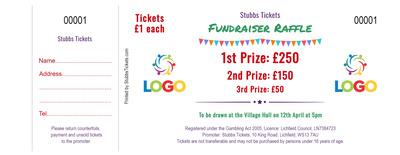
Give ticket-selling volunteers proper kit: printed raffle tickets in numbered books mean every seller can be reconciled in minutes at the end of a shift.
Ready to Boost Your Fundraising Success?
Great volunteers deserve professional raffle tickets for their fundraising events. Our high-quality general raffle tickets help create memorable experiences that volunteers are proud to support, leading to better engagement and stronger results across all types of fundraising events.