Running a fair and transparent raffle draw isn’t just good practice—it’s essential for maintaining trust, avoiding disputes, and meeting your legal obligations under UK raffle law and British lottery regulations. Whether you’re organising a school fete raffle or a charity fundraiser, this complete guide will ensure your draw is above board and beyond reproach for fundraising compliance UK standards.
In This Guide
- Why Fairness Matters in Raffle Draws
- Legal Requirements Under UK Raffle Laws
- Pre-Draw Preparation Checklist
- Popular Draw Methods Explained
- Accessible Draw Methods for All Participants
- Best Practices for Transparency
- Announcing and Recording Winners
- Common Mistakes to Avoid
- Handling Fraud and Tampering
Key Takeaways
- Always have at least two independent witnesses present during the draw
- Keep detailed records and store ticket counterfoils securely until the draw
- Announce draw details in advance and consider filming the process
- Choose transparent draw methods like tombola drums or numbered balls
- Document everything and keep records for potential disputes
Why Fairness Matters in Raffle Draws
The integrity of your raffle draw directly impacts your organisation’s reputation and future fundraising success. A fair draw builds trust with supporters, encourages repeat participation, and protects your organisation from complaints or legal challenges.
Building Trust and Credibility
Your supporters need confidence that every ticket has an equal chance of winning. One poorly conducted draw can damage relationships built over years of successful fundraising. Transparency in your draw process demonstrates professionalism and respect for your supporters’ contributions.
Legal Protection
Under the Gambling Act 2005 and UK lottery law, even small raffles must be conducted fairly. Poor draw practices could lead to complaints to the Gambling Commission or disputes over prizes. Following proper procedures protects your organisation legally and financially.
Important
Even if your raffle doesn’t require a licence, you’re still bound by fair conduct requirements. The Gambling Commission can investigate complaints about any raffle, regardless of size.
Legal Requirements Under UK Raffle Laws
UK raffle laws and British lottery regulations require specific standards for conducting draws, even for small society lotteries and unlicensed raffles. Understanding these requirements helps ensure compliance and provides a framework for best practices.
Independent Witnesses
You should have at least two independent witnesses present during the draw. While this is best practice rather than a strict legal requirement for all raffle types, the Gambling Commission strongly recommends witness presence for transparency. Independent witnesses should be people who:
- Have no financial interest in the raffle outcome
- Are not immediate family members of organisers
- Are not employees or trustees of the organising body
- Can verify the draw was conducted fairly
Pro Tip
While witness requirements may vary by raffle type, having independent witnesses is always recommended best practice. For licensed society lotteries, stricter witness requirements may apply, so check the specific conditions of your licence.
Witness Statement Template
Use this template to document witness statements for your draw records:
Sample Witness Statement
Witness Statement for Raffle Draw
Event: [Event Name]
Date: [Date]
Time: [Time]
Location: [Location]
I, [Witness Name], of [Address], confirm that:
1. I am independent and have no financial interest in this raffle
2. I witnessed the entire draw process
3. All tickets were mixed thoroughly
4. The draw was conducted fairly
5. The winning tickets were selected randomly
Signed: _________________ Date: _________________
Print Name: _________________
Contact Details: _________________
Record Keeping Requirements Under British Lottery Regulations
Maintain detailed records of your draw process, including witness details, draw method, time and location, and winning ticket numbers. For public raffles and small society lotteries, records should be kept for at least three years (check your specific licence conditions for exact requirements). For smaller raffles, check our guide on how to run a raffle without a licence in the UK for guidance.
| Document Type | Retention Period | Purpose |
|---|---|---|
| Draw witness statements | 3 years (recommended) | Best practice documentation |
| Winning ticket records | Check licence conditions* | Prize distribution |
| Draw photos/videos | 1 year (recommended) | Dispute resolution |
*For licensed society lotteries, check your specific licence conditions for record retention requirements. Small exempt raffles have lighter requirements.
Source: Gambling Commission guidance on society lotteries
Pre-Draw Preparation Checklist
Proper preparation is crucial for ensuring your raffle draw runs smoothly and meets all legal requirements. Use this comprehensive checklist to prepare for your draw day.
Essential Pre-Draw Checklist
One Week Before
- Confirm draw date, time, and location
- Arrange independent witnesses (minimum 2)
- Prepare witness statement forms
- Test draw equipment (tombola, containers, etc.)
- Notify ticket holders of draw details
Day Before Draw
- Secure all ticket counterfoils in sealed containers
- Photograph sealed containers with timestamps
- Confirm witness attendance
- Prepare prize list and certificates
- Set up recording equipment (camera/phone)
On Draw Day
- Arrive early to set up equipment
- Verify witnesses are present and independent
- Check sealed containers haven’t been tampered with
- Test all equipment one final time
- Brief witnesses on their role
- Start recording before opening containers
Equipment Setup Template
Document your equipment setup to ensure consistency across draws:
Draw Setup Record
Equipment Check:
□ Draw container/tombola drum clean and empty
□ Recording device charged and tested
□ Witness forms prepared
□ Prize list finalised
□ Seals on ticket containers intact
Personnel:
Draw conductor: [Name]
Independent witness 1: [Name & contact]
Independent witness 2: [Name & contact]
Recording person: [Name]
Timing:
Setup start: [Time]
Draw start: [Time]
Draw completion: [Time]
Popular Draw Methods Explained
Different draw methods suit different events and raffle sizes. Choose a method that’s appropriate for your audience and provides clear visibility of the selection process.
Traditional Hand-in-Hat Method
The classic approach works well for smaller raffles with up to 500 tickets. Use a large, opaque container and ensure ticket stubs are thoroughly mixed. Have witnesses verify the container is empty before adding tickets and that all stubs are included.
Tombola Drum
Tombola drums provide excellent visibility and thorough mixing. The rotating drum allows everyone to see the tickets being mixed, and the selection process is clearly visible to all attendees. Ideal for events where the draw is part of the entertainment.
Pro Tip
If using a tombola drum, give it several good spins before selecting tickets. This ensures thorough mixing and adds to the excitement of the draw.
Numbered Ball Systems
Using numbered ping pong balls or similar systems works well when you have sequentially numbered tickets. Each ball corresponds to a ticket number, providing a clear visual process. This method is particularly effective for larger raffles with thousands of tickets.
Digital Random Number Generators
Online random number generators can supplement physical draws, especially for large raffles. Use reputable tools like Random.org, but always have witnesses verify the process. Consider combining digital selection with physical ticket verification for maximum transparency.
Accessible Draw Methods for All Participants
Ensuring your raffle draw is accessible to people with disabilities or mobility issues is not only good practice but also demonstrates your commitment to inclusive fundraising. Here are methods to make your draw accessible to all participants and witnesses.
Visual Accessibility
For participants with visual impairments, ensure clear audio commentary throughout the draw process. Announce each step loudly and clearly, describe what’s happening visually, and provide tactile verification opportunities where possible. Consider using high-contrast materials and good lighting for those with limited vision.
- Use large, clear fonts on all signage
- Provide audio description of the draw process
- Ensure adequate lighting around the draw area
- Allow tactile inspection of draw equipment before use
Physical Accessibility
Make sure your draw location is accessible to wheelchair users and people with mobility issues. Position the draw table at an appropriate height and ensure clear sightlines from various angles. If conducting the draw on a stage, ensure wheelchair access or provide alternative viewing arrangements.
Hearing Accessibility
For deaf or hard-of-hearing participants, consider providing sign language interpretation for larger events. Use visual displays to show winning numbers and ensure written confirmation of results is available immediately after the draw.
Inclusive Draw Setup
Position your draw area so it’s visible from multiple angles and heights. Use a microphone system for audio announcements and consider live-streaming with captions for remote participants. These accommodations benefit all attendees, not just those with specific needs.
Alternative Participation Methods
Consider allowing proxy representation for winners who cannot physically attend the draw due to disability or mobility issues. Establish clear procedures for proxy arrangements that maintain the integrity of the draw while ensuring inclusivity.
Best Practices for Transparency
Transparency builds confidence and reduces the likelihood of disputes. Implementing clear, visible processes ensures everyone can verify the draw’s fairness.
Announce Draw Details in Advance
Publicise the draw date, time, and location well before the event. Include this information on your raffle tickets and promotional materials.
Secure Ticket Storage
Keep ticket counterfoils in sealed containers from the point of sale until the draw. Use transparent seals that show if containers have been tampered with.
Document the Process
Photograph or film the draw, focusing on the selection process and winning tickets. This provides valuable evidence if any disputes arise later.
Live Streaming Options
For larger fundraising events, consider live streaming your draw on social media. This allows supporters who cannot attend to witness the draw in real-time and builds excitement around your fundraising efforts.
Announcing and Recording Winners
How you announce and record winners affects both legal compliance and participant satisfaction. Clear procedures ensure smooth prize distribution and maintain positive relationships with supporters.
Winner Notification Process
Read winning ticket numbers clearly and loudly during the draw. If winners aren’t present, develop a clear process for notification. Use the contact details provided during ticket sales and allow reasonable time for winners to claim prizes.
Unclaimed Prize Procedures
Establish clear policies for unclaimed prizes before the draw begins. Common approaches include redrawing after a set period, donating prizes back to the organisation, or carrying prizes forward to future events. Communicate these policies clearly to participants.
Did You Know?
UK lottery law requires you to make reasonable efforts to contact winners, but you’re not obligated to hold prizes indefinitely. A 30-day claim period is typically considered reasonable for most raffles.
Common Mistakes to Avoid
Learning from others’ mistakes can save your organisation from embarrassment, disputes, and legal issues. Here are the most common pitfalls in raffle draws and how to avoid them.
Best Practices
- Conduct draws in public view
- Use multiple independent witnesses
- Mix tickets thoroughly before drawing
- Document the entire process
- Announce winners immediately
Avoid These Mistakes
- Drawing in private or behind closed doors
- Using biased or inadequate mixing
- Failing to secure tickets properly
- Not documenting witness details
- Delaying winner announcements
Documentation Failures
Poor record keeping is one of the most common issues. Ensure you document witness names and contact details, the exact draw method used, winning ticket numbers, and any issues that arose during the process. These records prove invaluable if disputes emerge.
Handling Fraud and Tampering
While fraud in charity raffles is rare, knowing how to identify and handle suspected tampering protects your organisation and maintains the integrity of your fundraising compliance UK standards.
Identifying Signs of Tampering
Be alert for damaged ticket stubs, duplicate numbers, tickets that appear different from others, or containers that show signs of being opened. If you suspect tampering, stop the draw immediately and secure all materials.
If You Suspect Fraud
Document everything, notify witnesses immediately, secure all tickets and containers, and consider contacting the Gambling Commission for guidance. Never continue with a compromised draw—it’s better to postpone and investigate than risk your organisation’s reputation.
Frequently Asked Questions
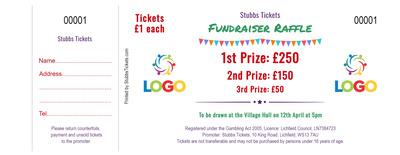
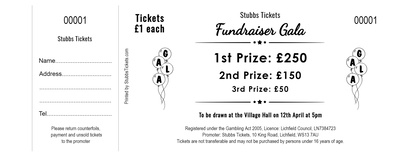
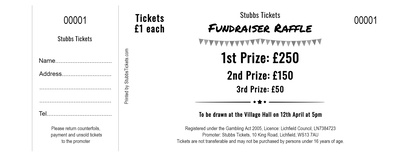
A fair draw starts with proper tickets: sequential numbering and matching stubs from a raffle ticket printers mean every entry is accounted for before a single number is pulled.
Professional Raffle Tickets for Fair Draws
Ensure your raffle starts on the right foot with professionally designed tickets that include all necessary legal information and security features. Our customisable designs help establish credibility from the moment supporters purchase tickets.