A 50/50 raffle splits ticket proceeds evenly between the winner and your cause, creating excitement as the prize grows with each sale. Moving this popular format online can dramatically increase participation, with real-time prize displays driving urgency and engagement. Here’s everything UK organisers need to know about running fifty-fifty raffles online.
In This Guide
Key Takeaways
- 50-50 draws split proceeds equally between winner and cause
- Online platforms can display the growing prize in real-time
- Same UK gambling laws apply as standard raffles
- The growing prize pot becomes your main marketing tool
- Minimum 16 years old to purchase lottery tickets
What is a 50/50 Raffle?
A 50/50 raffle is a simple yet effective format where exactly half the ticket revenue goes to the winner as a cash prize, and the other half supports your cause. Unlike traditional raffles with fixed prizes, the fifty-fifty prize grows with every ticket sold, creating natural excitement and urgency among potential buyers.
This format is particularly popular with sports clubs, community organisations, and charity events because it guarantees a specific return to the cause whilst offering an attractive, ever-increasing prize to participants. The transparency of the split builds trust with supporters who can see exactly how their contribution benefits both the winner and the organisation.
Why 50/50 Works Online
Online platforms transform 50-50 draws by displaying the growing prize pot in real-time. Visitors to your raffle page can see the current prize total, which creates immediate impact and drives additional sales. This visibility turns every ticket purchase into free marketing – “the prize is now £500 and growing!”
The format becomes self-promoting online. Early buyers often share the raffle link specifically because they want to see the prize grow. Social media updates about the increasing pot generate organic engagement that traditional fixed-prize raffles can’t match.
Digital Advantage
Online 50/50 raffles can reach supporters who can’t attend physical events, dramatically expanding your potential audience. The convenience of digital purchases often leads to higher average spend per participant.
50/50 vs Traditional Raffles
Understanding when to choose a fifty-fifty format versus traditional fixed prizes helps maximise your fundraising success:
| Aspect | 50/50 Raffles | Traditional Fixed-Prize Raffles |
|---|---|---|
| Prize Appeal | Growing cash prize creates urgency | Fixed prizes allow targeted marketing |
| Predictability | Cause income varies with sales | Known profit after prize costs |
| Marketing | Self-promoting through prize updates | Requires consistent prize promotion |
| Setup Costs | No upfront prize investment | Must secure prizes before launch |
| Risk | Low sales = small prizes for everyone | Fixed costs regardless of sales |
| Excitement | Builds as prize grows | Consistent throughout campaign |
Legal Requirements for 50/50 Raffles
50/50 raffles follow the same legal framework as other raffles under the Gambling Act 2005. They must be run for charitable, sporting, cultural, or other non-commercial purposes, and must be registered with your local authority when proceeds exceed £20,000 per draw or £250,000 per year. For comprehensive compliance guidance, see our guide on how to run an online raffle legally in the UK.
The format easily meets the legal requirement that at least 20% of proceeds benefit the good cause, since 50% goes directly to your organisation. Lottery tickets cannot be sold to anyone under 16 years of age, which is particularly relevant for sports clubs running 50/50 draws.
Northern Ireland Note
This guidance applies to England, Scotland and Wales under the Gambling Act 2005. Different regulations may apply in Northern Ireland.
| Raffle Size | Registration Required | Licensing Authority |
|---|---|---|
| Under £20,000 per draw | Yes (local authority registration)* | Local authority |
| £20,000+ per draw or £250,000+ per year | Yes (Gambling Commission licence) | Gambling Commission |
*Small society lotteries still require registration with the local licensing authority, even under the £20,000 threshold.
Important
All society lotteries require registration with the appropriate licensing authority. Small lotteries register with local authorities, whilst larger operations need Gambling Commission licensing. Check current Gambling Commission guidance for the most up-to-date requirements and thresholds.
Setting Up a 50/50 Raffle Online
Running a 50-50 draw online requires a platform that can calculate and display the live prize total automatically. Key technical considerations include real-time prize calculation, secure payment processing, and clear display of the current pot size. For detailed platform selection guidance, see our guide on how to sell raffle tickets online.
Choose Your Platform
Select an online raffle platform that supports 50/50 functionality with live prize displays and automatic calculations.
Set Ticket Price and Limits
Choose your ticket price and set maximum sales if needed to stay within your licensing arrangements.
Configure Prize Display
Ensure the current prize total is prominently displayed and updates automatically with each sale.
The Maths Behind 50/50 Raffles
Understanding the mathematics helps you set appropriate ticket prices and sales targets. The beauty of fifty-fifty raffles lies in their simplicity – every calculation is straightforward division.
| Tickets Sold | Ticket Price | Total Sales | Winner Gets | Cause Gets |
|---|---|---|---|---|
| 250 | £2 | £500 | £250 | £250 |
| 500 | £2 | £1,000 | £500 | £500 |
| 1,000 | £5 | £5,000 | £2,500 | £2,500 |
| 2,000 | £10 | £20,000† | £10,000 | £10,000 |
†At £20,000 total proceeds, Gambling Commission licensing is required.
Payment Processing Considerations
Payment processing fees can affect your 50-50 split calculation, so it’s crucial to decide upfront how to handle these costs. Most organisations absorb processing fees from the cause’s 50% share to keep the winner’s prize calculation simple and transparent – this is generally the simpler approach for participants to understand. Any deductions for expenses must be properly documented, as expenses come out of proceeds before the split is calculated, not arbitrarily from one share.
For example, if total sales reach £1,000 with £30 in processing fees, you might award £500 to the winner and retain £470 for the cause (£500 minus fees). Alternatively, some platforms calculate the split after deducting fees, giving both winner and cause £485 each from the remaining £970.
Fee Transparency
Clearly state in your terms how processing fees are handled. Most supporters understand that online transactions incur costs and won’t object to reasonable fee deductions from the cause’s share.
Promoting Your 50/50 Raffle
The growing prize becomes your primary marketing tool. Unlike traditional raffles where you promote fixed prizes, 50-50 draws let you create urgency through regular prize updates. Social media posts showing “the pot has reached £800!” generate more engagement than static prize announcements. For comprehensive marketing strategies, explore our online raffle prize ideas guide and additional tactics in our online raffle promotion guide.
- Post regular prize updates on social media
- Include current prize total in all communications
- Use countdown timers to the draw date
- Encourage early buyers to share for prize growth
Consider your ticket pricing strategy carefully. Lower prices (£1-£3) encourage impulse purchases and multiple ticket buying, while higher prices (£5-£10) can build substantial prize pots more quickly with fewer sales needed.
Running the Draw
The draw process follows standard fair raffle drawing procedures, but 50-50 draws offer unique presentation opportunities. Announce the final prize total before revealing the winner to maximise impact and excitement.
Document everything thoroughly – the final ticket sales total, the exact prize split, and the winner selection process. This transparency is crucial for maintaining trust and meeting legal requirements for prize verification.
Tax Implications for Winners
UK gambling winnings are entirely free from income tax and capital gains tax, regardless of the prize amount. Winners should be aware that any investment income generated from their winnings (such as interest if placed in savings) would be subject to normal income tax rules.
For very large prizes, consider advising winners to seek independent financial advice. Some winners may also want guidance on managing sudden windfalls responsibly, particularly if they’re not accustomed to larger sums.
Winner Support
Providing basic information about prize collection demonstrates professionalism and helps winners make informed decisions about their winnings.
Frequently Asked Questions
The in-person version still rules clubhouses and match days, running on printed raffle ticket books with sequential numbering.
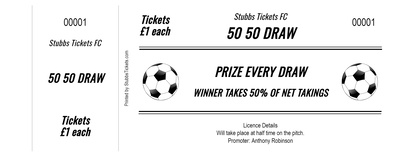
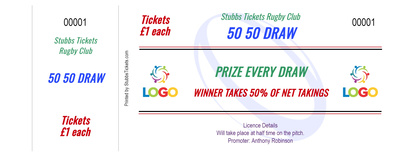
50/50 Raffle Tickets
Professional fifty-fifty raffle tickets designed specifically for this popular format. Choose from sports-themed designs or create custom tickets that clearly communicate the 50/50 split to your supporters.