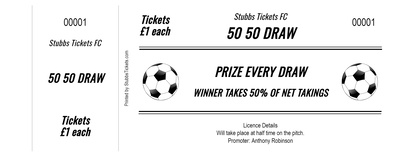
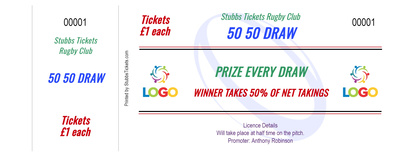
50/50 raffles offer one of the most exciting ways to raise money for your cause whilst giving participants the chance to win big. Unlike a traditional raffle with fixed prizes, these events create a growing prize pool where half goes to the lucky winner and half supports your charitable cause. This complete guide covers everything you need to know to host a successful 50/50 raffle that maximises your fundraising potential.
In This Guide
What is a 50/50 Raffle and How Does It Work?
Key Takeaways
- 50/50 raffles guarantee 50% return with no upfront prize costs
- Legal requirements vary – check with local authorities before starting
- Regular updates about the growing prize pool drive ticket sales
- Hybrid online and in-person sales maximise participation
- Transparency in the draw process builds trust for future events
A 50/50 raffle is a type of lottery where participants purchase tickets for the chance to win half of the total money raised. The remaining 50% goes directly to your fundraising goal. This creates an exciting dynamic where every ticket sold increases both the prize money and funds for your cause.
Here’s how the basic mechanics work: participants buy tickets at a set price (typically £1 each), and as ticket sales grow, so does the prize pool. When the draw takes place, one winning ticket is drawn, and the lucky ticket holder receives 50% of the total funds raised.
Success Stories from Real UK Events
Our Willowbrook Primary PTA raised £800 at their summer fair 50/50 raffle, with £400 going to the winner and £400 funding new playground equipment. St. Mary’s Church raised £1,200 during their Christmas fair, allowing them to gift £600 to the lucky winner whilst securing £600 for church roof repairs. These examples show how 50/50 raffles create win-win situations for both participants and causes.
Key Benefits for Fundraising Organisations
- Guaranteed 50% return on all ticket sales
- No upfront costs for prizes needed
- Self-promoting – growing prize pool encourages more participation
- Simple to understand and explain to supporters
- Works well both in-person and online
Legal Requirements and Gambling Commission Rules
Before you run a raffle, you must understand the 50/50 raffle legal requirements UK. In the UK, 50/50 raffles are classified as a type of lottery under the Gambling Act 2005, and specific rules apply depending on your organisation and how you plan to sell tickets.
When You Need a Licence to Run Your Raffle
The licensing requirements depend on your organisation type, how you sell tickets, and the size of your prize pool. Understanding how to run 50/50 raffle charity events legally is crucial for compliance. If you’re unsure about licensing requirements, we recommend reading our guide on how to run a raffle without a licence in the UK for simpler alternatives.
| Raffle Type | Registration Required | Maximum Prize |
|---|---|---|
| Private event (members only) | No | No statutory limit |
| Incidental lottery (at events) | No | £500 from proceeds |
| Small Society Lottery | Register with local authority (£40 initial, £20 renewal) | £25,000 |
| Large Society Lottery | Gambling Commission licence | £500,000 |
Private event raffles are the simplest option – if you’re only selling tickets to members of your organisation (such as PTA members or club participants), no licence is required regardless of the prize value.
For incidental lotteries at public events like school fetes or community fairs, no registration is required. However, the draw must take place at the event where tickets are sold, and no more than £500 of proceeds can be spent on prizes. For 50/50 raffles, this means total ticket sales should stay under £1,000.
Small Society Lotteries offer the most flexibility for regular fundraising. The annual licensing fee is £40, and you can conduct multiple draws throughout the year. For detailed guidance on this option, read our comprehensive guide on how to run a public raffle or small society lottery.
Large Society Lotteries are regulated directly by the Gambling Commission and require more extensive compliance measures. The annual licence fee is currently £196*, with additional regulatory requirements for reporting and financial management.
Important
*Gambling Commission rules and fees are subject to change. The licence fee shown (£196) was current as of late 2024 but may be updated. Always verify current licensing requirements and fees on the official Gambling Commission website before planning your raffle. Local authority fees may also vary by region.
50/50 Raffle Caveat
For licence-free 50/50 raffles at events (incidental lotteries), total ticket sales should not exceed £1,000 to stay within the £500 prize limit. The larger examples above require small society lottery registration.
For most charitable organisations running smaller 50/50 raffles, you’ll likely fall under the Small Society Lottery category, which requires registration with your local authority but offers flexibility for both online ticket sales and in-person events.
Setting Up Your 50/50 Raffle for Maximum Impact
Successful 50/50 raffles require careful planning to maximise both participation and funds raised. Start by establishing a clear fundraising goal and determining your target audience.
Set Your Parameters
Decide on ticket prices (£1 is most common), duration of sales, and whether to run one draw or multiple draws throughout your event.
Choose Your Sales Method
Determine whether you’ll use an online platform for digital ticket sales, printing tickets for in-person sales, or a combination of both.
Plan Your Marketing
Create promotional materials that clearly explain how the raffle works and emphasise both the growing prize and charitable cause.
Cost Breakdown Examples
Understanding the financial impact of your 50/50 raffle helps set realistic expectations and goals. Here are examples from successful UK charity raffles:
| Example Event | Tickets Sold | Total Raised | Winner Prize | Net Fundraising |
|---|---|---|---|---|
| School PTA Summer Fair | 800 tickets at £1 | £800 | £400 | £400 |
| Church Christmas Fair | 1,200 tickets at £1 | £1,200 | £600 | £600 |
| Community Sports Club | 500 tickets at £2 | £1,000 | £500 | £500 |
| Village Bonfire Night | 1,500 tickets at £1 | £1,500 | £750 | £750 |
Note
For licence-free 50/50 raffles at events (incidental lotteries), total ticket sales should not exceed £1,000 to stay within the £500 prize limit. The larger examples above require small society lottery registration.
Timing Your 50/50 Raffle
Consider running your raffle alongside a larger event like a summer fair or gala to maximise exposure. Alternatively, conduct the draw during your event’s peak time to build excitement and encourage last-minute ticket purchases.
Effective Strategies to Sell Tickets and Boost Fundraising
The key to successful 50/50 raffle ticket sales lies in creating momentum and excitement around the growing prize pool. Here are proven strategies to boost ticket sales, and for additional techniques, check our detailed guide on How To Sell More Raffle Tickets At Your Event:
Building Excitement with Regular Updates
Use social media channels to update participants about the current prize value. Post updates showing “Prize now stands at £X!” to create urgency and encourage people to buy multiple tickets before it’s too late.
- Post hourly updates during peak sales periods
- Share photos of previous winners to build credibility
- Countdown posts as the draw approaches
- Behind-the-scenes content showing the fundraising team preparing
Partnering with Local Businesses
Approach local businesses to help sell tickets to their customers. Offer them a small commission (5-10%) or recognition as sponsors. This expands your reach significantly and can boost ticket sales substantially.
Pro Tip
Every ticket must be the same price, so there are no bundles such as “3 tickets for £2.50”. To raise more, make it easy to buy several tickets at that price, and remind people that a bigger pot means a bigger prize.
Running the Draw and Managing Winners
The moment everyone’s been waiting for – when you conduct the draw and announce the lucky winner. This process needs to be transparent, exciting, and well-documented.
Creating Drama and Transparency
Whether online or in-person, make the draw an event. Use social media to livestream the drawing, have a prominent community member draw the winning ticket, and ensure every ticket has an equal chance of winning.
Do This
- Record the draw for transparency
- Announce the winning ticket number clearly
- Have witnesses present
- Celebrate both winner and charity beneficiaries
Don’t Do This
- Rush the announcement
- Forget to thank participants
- Delay winner notification
- Overlook promoting your cause’s success
Handling Winner Payments and Tax Implications
Managing winner payments professionally is crucial for maintaining trust and ensuring legal compliance. Here’s what you need to know about payment methods and tax implications for large prizes.
Payment Methods and Verification
For prizes under £1,000, cash or cheque payments are typically acceptable. For larger prizes, consider bank transfers or building society cheques for security and audit trail purposes. Always verify the winner’s identity before payment – request photo ID and proof of address.
Important
For prizes over £5,000, winners may need to pay income tax on their winnings. While gambling winnings are generally tax-free for individuals in the UK, very large prizes might be subject to different rules. Advise winners to consult HMRC or a tax adviser for prizes exceeding this threshold.
Large Prize Considerations
If your raffle generates prizes over £2,500, consider these additional steps:
- Provide winners with 7 days to claim their prize
- Require signed receipt acknowledgement
- Consider offering payment in instalments for very large sums
- Keep detailed records for audit purposes
- Inform winners about potential tax implications
Advanced Tips for Maximising Your 50/50 Raffle Success
To truly maximise your fundraising potential, consider these advanced strategies that successful organisations use to raise as much money as possible.
Adding Extra Prizes and Incentives
While maintaining the core 50/50 structure, consider adding extra prizes donated by supporters or local businesses. This gives people additional reasons to participate whilst maintaining your 50% charitable return on investment.
Online Platform Integration
Starting an online raffle component allows you to reach supporters who can’t attend in person. Choose a fundraising platform that handles the legal requirements and provides real-time prize updates to maintain momentum.
| Sales Channel | Advantages | Considerations |
|---|---|---|
| In-person only | Personal connection, immediate payment | Limited audience reach |
| Online only | Wider reach, automated updates | Platform fees, tech requirements |
| Hybrid approach | Maximum reach and engagement | More complex to manage ticket sales |
Frequently Asked Questions
A 50/50 raffle still needs proper tickets: printed raffle ticket books with sequential numbers are what make the split provable and the draw trusted.
Ready to Start Your 50/50 Raffle?
Get professionally printed 50/50 raffle tickets that create excitement and trust. Our tickets include security features and can be customised with your organisation’s details and branding.