Facebook raffles are everywhere—charity groups, community pages, and personal fundraisers all seem to be running them. But here’s the uncomfortable truth: the vast majority of Facebook raffles aren’t legal under UK law. Before you launch your next social media raffle, here’s what you need to know to stay compliant with Facebook raffle legality and UK gambling law.
In This Guide
- What Makes a Facebook Raffle Illegal
- The Gambling Act 2005 Applies to Social Media
- Real Enforcement Actions: When Raffles Go Wrong
- Platform Terms of Service Violations
- Free Entry Raffles: The Workaround That Sometimes Works
- How to Run a Legal Raffle Using Social Media
- What About Instagram, TikTok, and Other Platforms?
- Competitions vs Raffles on Social Media
- Risks of Running an Illegal Facebook Raffle
- How to Report Illegal Facebook Raffles
- If You’ve Already Run an Illegal Raffle
Key Takeaways
- Most Facebook raffles are illegal because they operate as unregistered lotteries
- The Gambling Act 2005 applies to all online platforms—there’s no “Facebook exception”
- Free entry raffles may be legal, but charging any amount makes it a lottery
- Legal compliance requires proper registration and compliant ticket sales platforms
- The risks include Gambling Commission enforcement and platform account suspension
What Makes a Facebook Raffle Illegal
A typical Facebook raffle looks innocent enough: “Comment below for a chance to win! £2 per entry, PayPal to jenny.smith@email.com.” But this simple setup breaks multiple gambling laws.
Common Legal Violations
Here’s what makes most Facebook raffles illegal:
- No lottery registration with the local authority or Gambling Commission
- Missing mandatory ticket information (draw date, terms, promoter details)
- No age verification system for participants
- Personal PayPal accounts used for payments
- Running for personal profit rather than charitable purposes
Important
If your raffle involves payment, a random draw, and a prize, it’s legally a lottery under UK law—regardless of the platform you use to promote it.
The Gambling Act 2005 Applies to Social Media
Many people mistakenly believe social media platforms operate under different rules. They don’t. The Gambling Act 2005 applies to all lotteries, whether they’re promoted in a village hall or on Facebook.
Any online ticket sale for a random prize draw is classified as a lottery. The method of promotion—whether through Facebook posts, Instagram stories, or TikTok videos—doesn’t change this legal classification.
The Three-Part Test
A raffle becomes a lottery when it meets three criteria:
- Payment: Participants pay to enter
- Prize: Something of value is offered
- Chance: Winners are selected randomly
If your Facebook raffle meets all three criteria, it must comply with UK lottery regulations, regardless of how informal it seems.
Real Enforcement Actions: When Raffles Go Wrong
The Gambling Commission has taken concrete action against illegal social media raffles. According to their 2020-21 compliance report, they documented 823 reported instances of social media platforms hosting illegal gambling activities.
Recent Enforcement Examples
- In 2022, the Gambling Commission shut down Facebook lotteries and issued cease-and-desist letters via Regional Organised Crime Units
- The Commission works with law enforcement partners and social media platforms to identify organisers, issue cease-and-desist notices, and pursue prosecution where necessary
These aren’t theoretical risks—they’re real consequences affecting real organisations. The Commission has specifically stated that social media gambling enforcement is a priority area, with dedicated resources allocated to monitoring platforms.
Platform Terms of Service Violations
Beyond UK gambling laws, social media platforms have their own strict policies on gambling content. Most Facebook raffles also violate platform community guidelines.
Platform-Specific Restrictions
| Platform | Gambling Policy | Enforcement Action |
|---|---|---|
| Prohibits facilitating gambling transactions | Account suspension, post removal | |
| Bans promotion of gambling services | Shadow banning, account restrictions | |
| TikTok | Strictly prohibits gambling content | Immediate account termination |
| Twitter/X | Restricts gambling-related content | Tweet removal, account limits |
These violations can result in permanent account suspensions, cutting off your organisation from its entire social media following. For compliance with Instagram raffles, the same restrictions apply as Facebook.
Free Entry Raffles: The Workaround That Sometimes Works
Free entry raffles occupy a legal grey area. If there’s genuinely no payment required—participants can enter by commenting, sharing, or liking without any financial transaction—it may not qualify as a lottery.
Potentially Legal
- Completely free to enter
- No “suggested donations”
- Clear terms and conditions
- Genuine promotional purpose
Definitely Illegal
- Any payment required
- “Suggested” donations
- Must make a purchase or pay a subscription to enter
- Hidden entry requirements
However, the moment you charge anything—even requesting “suggested donations”—it becomes a lottery requiring proper licensing. Many organisers offer both free and paid entry routes, but this dual approach still requires lottery registration if any participants pay.
How to Run a Legal Raffle Using Social Media
You can use social media to promote a legal raffle, but you cannot use Facebook’s native features (comments, direct messages) to sell tickets. Here’s the compliant approach:
Register Your Lottery
Obtain proper licensing through your local authority (for small society lotteries) or the Gambling Commission (for larger operations). Our guide on how to run an online raffle legally in the UK covers all compliance requirements.
Use a Compliant Sales Platform
Sell tickets through a registered platform that can verify ages, provide proper receipts, and maintain required records. See our guide on how to sell raffle tickets online for compliant platforms.
Link from Social Media
Use Facebook, Instagram, or TikTok to promote your raffle, but direct people to your compliant ticket sales page.
Ensure Legal Information is Accessible
Include all mandatory information: promoter details, draw date, terms and conditions, and age restrictions.
This approach lets you harness social media’s promotional power while maintaining legal compliance. For more detailed guidance on legal requirements, see our guide on raffle licensing requirements.
What About Instagram, TikTok, and Other Platforms?
The same legal principles apply across all social media platforms. Instagram story raffles, TikTok prize draws, and Twitter competitions all fall under UK gambling law if they involve payment, prizes, and chance.
No platform provides an exemption from the Gambling Act 2005. Whether your Instagram raffle is legal in the UK depends on the same compliance requirements that apply to Facebook and other platforms.
Pro Tip
Platform terms of service often prohibit gambling activities anyway. Check each platform’s community guidelines before promoting any paid prize draws. The same rules apply to Instagram raffles as other social media platforms.
Competitions vs Raffles on Social Media
Prize competitions requiring skill or knowledge are treated differently from raffles under UK law. If participants must demonstrate skill—answering questions, creating content, or completing challenges—it may qualify as a promotional competition rather than a lottery.
Legal Competition Requirements
Skill-based competitions must still comply with advertising standards:
- Clear terms and conditions
- Genuine skill or knowledge requirement
- Transparent judging criteria
- Compliance with ASA/CAP Code for promotional marketing
However, competitions with minimal skill requirements (“Tell us in 10 words why you deserve to win”) may still be classified as lotteries if the skill element is negligible.
What Are the Risks of Running an Illegal Facebook Raffle?
The consequences of running illegal raffles can be severe:
| Risk | Potential Consequence |
|---|---|
| Gambling Commission enforcement | Unlimited fines and up to 51 weeks’ imprisonment |
| Platform account suspension | Permanent ban from Facebook, Instagram, or other platforms |
| Personal liability | Individual organisers held personally responsible |
| Loss of charitable status | Charities risk losing registration and tax benefits |
Beyond legal consequences, illegal raffles can damage your organisation’s reputation and break trust with your community. For guidance on running compliant charity raffles, see our guide to charity raffle regulations and compliance.
How to Report Illegal Facebook Raffles
If you encounter illegal raffles on social media, you can report them through multiple channels to help protect the public and legitimate fundraisers.
Reporting to Authorities
Gambling Commission
Report suspected illegal gambling to the Gambling Commission via their online reporting form at gamblingcommission.gov.uk. Include screenshots and details of the raffle operation.
Local Authority
Contact the local authority where the organiser is based, as they oversee small society lottery registrations and can investigate unregistered operations.
Platform Reporting
Report violations to Facebook, Instagram, or TikTok through their community guidelines reporting systems to have illegal content removed.
Trading Standards
For consumer protection issues, contact Citizens Advice Consumer Service who can escalate to Trading Standards for investigation.
If You’ve Already Run an Illegal Raffle
If you’ve already run raffles that may not have been compliant, taking immediate corrective action can help minimise potential consequences.
Immediate Actions
- Stop all current raffle activity immediately
- Complete any draws you’ve already committed to fairly and transparently
- Ensure all prizes are awarded as promised
- Keep detailed records of all transactions and participants
Steps to Take
- Legal Review: Consult with a solicitor specialising in gambling law to assess your specific situation
- Voluntary Disclosure: Consider proactively contacting your local authority to discuss compliance
- Registration: Register for proper lottery licensing before running any future raffles
- Documentation: Maintain clear records showing your efforts to rectify the situation
- Policy Changes: Implement proper procedures to ensure future compliance
Taking proactive steps demonstrates good faith and may influence how authorities handle any investigation.
Key Legal Points for Social Media Raffles
Understanding Facebook raffle legality and broader social media lottery laws is crucial for UK fundraisers. Here are the essential points to remember:
- UK gambling laws apply to all online platforms—there are no social media exceptions
- Any payment-based raffle requires proper lottery registration and licensing
- Platform terms of service prohibit most gambling activities regardless of legal status
- Enforcement action is real and increasing, with significant financial consequences
- Legal compliance is achievable using proper registration and approved sales platforms
For Instagram and other platforms, the same principles apply across all social media. The key is understanding that social media can be used for promotion, but actual ticket sales must be conducted through compliant channels.
By following proper procedures, you can harness the promotional power of social media while ensuring your fundraising remains legal and sustainable for your organisation.
Frequently Asked Questions
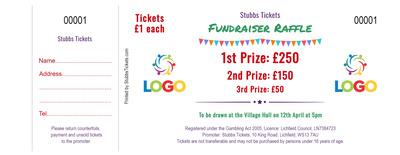
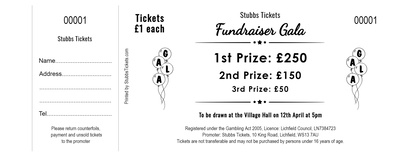
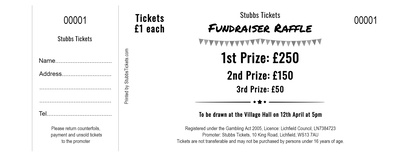
If you take the registered route, the physical side is straightforward: raffle tickets printed with the required wording, sold and drawn the traditional way.
Need Legal Raffle Tickets?
Running a compliant raffle requires proper tickets with all mandatory information. Our professionally designed raffle tickets meet UK legal requirements and help ensure your fundraising stays above board.