The smartest fundraisers don’t choose between online and in-person ticket sales—they do both. Online captures supporters who can’t attend your event, whilst in-person sales capture impulse buyers on the day. But there’s a legal minefield that most organisers don’t know about, and getting it wrong could invalidate your entire raffle.
In This Guide
- The Legal Trap Most People Fall Into
- Route 1: Small Society Lottery
- Route 2: Prize Draw with Free Entry
- Route 3: Incidental Lottery (Event-Only)
- Quick Comparison of All Routes
- Why Platforms Call Them “Prize Draws”
- Real-World Case Study
- Running a Hybrid Small Society Lottery
- Running a Hybrid Prize Draw
- Which Route Should You Choose?
Key Takeaways
- You can’t just “add online sales” to a standard event raffle—it breaks the legal rules
- Small Society Lotteries allow genuine hybrid sales but need council registration (£40 initial, £20/year)
- Prize draws with free entry avoid gambling laws entirely but must offer equal free entry routes
- Platforms call them “prize draws” for legal reasons, not marketing
- Choose your route based on your organisation type, fundraising goals, and desired simplicity
The Legal Trap Most People Fall Into
Most people assume they can run their usual raffle at the summer fete and also sell tickets online beforehand. You can’t. An incidental lottery—the classic unlicensed event raffle—only allows tickets to be sold at the location, during the event.
The moment you sell online, door-to-door, or even in advance of your event, you’ve broken the incidental lottery rules. This is the mistake most blogs—and most organisers—make when giving advice about selling raffle tickets.
Legal Reality Check
Adding online sales to your event raffle automatically disqualifies it as an incidental lottery. You need proper licensing or a different legal structure entirely.
Route 1: Small Society Lottery (The Registered Raffle)
This is the most straightforward legal route for genuine hybrid ticket sales. Once you register with your local council (£40 initial fee, £20 per year thereafter), you can sell tickets online, door-to-door, by phone, and face-to-face—all for the same draw.
What It Allows
- Sell tickets through any channel you choose
- No remote gambling licence needed
- Up to £20,000 per draw, £250,000 per year
- Keep up to 80% of proceeds (20% minimum to good causes)
The Requirements
All tickets must be the same price and include required information: society name, ticket price, promoter name and address, and draw date. No sales to under-16s allowed.
Real-World Example
PTA Events platform supports small society lotteries—organisations sell tickets online through their platform, then also sell paper tickets at events. The platform handles payments but leaves the actual draw to the organisation to maintain legal compliance.
Route 2: Prize Draw with Free Entry (The Unregulated Alternative)
This is how platforms like PTA Events, Raffall, and Omaze operate their “online raffles.” It’s technically not a raffle at all—it’s a prize draw with a crucial difference: there must be a genuine free entry route, typically by post.
Because it’s free to enter, it falls outside the Gambling Act entirely. No licence required, no registration needed, no limits on prizes or proceeds, and it can even be run for commercial gain.
The Critical Requirements
- Free entry must be genuinely equal to paid entry
- Free route must be displayed as prominently as paid route
- The draw cannot distinguish between free and paid entries
- You must actually process free entries received
Route 3: Incidental Lottery (Event-Only—No Online)
Included for completeness and to explain why this route can’t go hybrid. Tickets can only be sold at the event, during the event. No advance sales, no online sales whatsoever.
Perfect for tombolas and simple event raffles, but if you want online reach, you need Route 1 or 2. Learn more about raffle licensing requirements for different situations.
Quick Comparison of All Routes
| Feature | Small Society Lottery | Prize Draw | Incidental Lottery |
|---|---|---|---|
| Online sales | ✅ Yes | ✅ Yes | ❌ No |
| In-person sales | ✅ Yes | ✅ Yes | ✅ Yes (event only) |
| Licence needed | Council registration | None | None |
| Under-16s | ❌ No | Check terms | ✅ Yes |
| Prize limits | £20k per draw | None | £500 purchased |
| Free entry required | ❌ No | ✅ Yes | ❌ No |
Why Platforms Call Them “Prize Draws”—And Why It Matters
This is the bit nobody explains properly. If a platform actually manages a raffle (sells tickets and runs the draw), it’s acting as an External Lottery Manager and needs a full Gambling Commission licence plus remote gambling permissions.
That’s why most platforms either call it a “prize draw” with free entry (unregulated) or only handle payments whilst leaving the draw to the organisation. It’s not a branding choice—it’s a legal necessity.
The platforms that do run proper raffles (like Raffle Player) hold full External Lottery Manager licences from the Gambling Commission.
Real-World Case Study
Wren Academy PTA Success Story
Wren Academy PTA registered with their local authority as a small society lottery, enabling them to sell tickets both online and at their summer fair. They sold tickets online via their platform, then sold an additional 700 tickets at their summer fair using QR code posters that linked to the same draw—2,500 tickets total, raising £2,200.
The key to their success was the QR code integration that allowed event attendees to easily participate in the same draw, whether they wanted physical tickets or preferred digital entry.
Running a Hybrid Small Society Lottery
Register with Your Council
Complete the small society lottery application with your local authority. Pay the £40 initial fee and £20 annual renewal.
Set Up Ticket Sales
Arrange online sales (through a platform or your own system) and order printed tickets for event sales. Ensure all tickets carry the required legal information.
Manage Ticket Numbering
Coordinate numbering between online tickets and printed tickets to avoid duplicates. Keep detailed records of all sales channels.
Conduct the Draw
Follow fair drawing procedures and file your return with the council within three months.
Running a Hybrid Prize Draw
Choose Your Platform or Set Up Systems
Select a compliant platform that offers free entry routes, or establish your own system with postal entry processing.
Establish Free Entry Route
Set up a postal address and process for handling free entries. This must be genuinely equal to paid entry—no buried terms or conditions.
Create Event-Day Integration
Generate QR codes linking to your online entry form for easy event-day participation. Display both paid and free entry options equally.
Which Route Should You Choose?
Your choice depends on several factors. If you’re a registered charity, PTA, or community group wanting maximum simplicity, a small society lottery offers the clearest legal framework. The annual cost is minimal compared to potential fundraising returns.
If you want to avoid any licensing requirements and don’t mind offering free entry, a prize draw gives you complete flexibility. Many successful summer fair organisers use this route effectively.
Choose Small Society Lottery If:
- You’re a registered non-profit organisation
- You want clear legal compliance
- You don’t mind the registration cost
- You prefer not to offer free entry
Choose Prize Draw If:
- You want zero licensing requirements
- You’re happy to offer genuine free entry
- You need maximum fundraising flexibility
- You’re using a compliant platform
Frequently Asked Questions
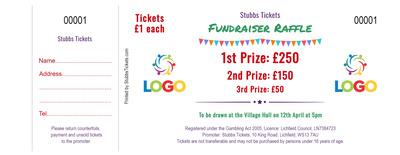
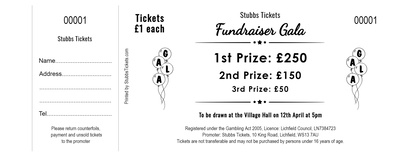
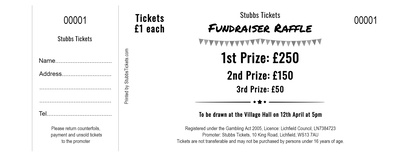
For the at-the-event side, printed raffle tickets remain the backbone: numbered books your sellers can carry and your treasurer can reconcile.
Ready to Print Your Raffle Tickets?
Whether you’re running a small society lottery or planning event-day sales, professionally printed tickets help establish credibility and ensure compliance. Choose from our range of seasonal and general designs, all customised with your details.