Online raffles offer incredible reach for fundraising campaigns, but they’re subject to stricter regulations than many organisers realise. Under the Gambling Act 2005, running an online raffle requires proper licensing and compliance with specific rules that don’t apply to traditional in-person events. Selling raffle tickets online can dramatically expand your reach, but only when done legally.
In This Guide
- Why Online Raffles Face Stricter Rules
- The Three Tiers of Raffle Regulation
- How to Register as a Small Society Lottery
- The Rules You Must Follow
- Data Protection and International Participants
- Common Mistakes That Break the Law
- Social Media Raffles: The Legal Reality
- What Happens If You Get It Wrong
- Key Legal Requirements Summary
Key Takeaways
- Online raffles cannot use the exempt lottery rules that apply to in-person events
- Most online raffles require registration as a Small Society Lottery (£40 registration, £20 annual fee)
- Prize limits are £25,000 per single prize and £20,000 maximum ticket sales per draw
- At least 20% of ticket sales must go to your good cause
- Social media raffles are subject to the same licensing requirements
Why Online Raffles Face Stricter Rules
The key difference lies in the exemptions available to traditional raffles. Traditional raffles can often qualify as “exempt lotteries” when tickets are sold at a single event or premises – these don’t require any licensing or registration.
However, this exemption doesn’t extend to online sales, even if the draw happens at a physical event. The moment you sell tickets digitally, you lose access to the exempt lottery category and must register as a Small Society Lottery.
Important
Simply having a physical draw doesn’t make your raffle exempt if tickets are sold online. The method of ticket sale determines the regulatory category, not the draw location.
The Three Tiers of Raffle Regulation
UK raffle regulation operates on three levels, each with different requirements and limits:
| Category | Where to Register | Prize Limits | Online Permitted |
|---|---|---|---|
| Exempt Lottery | No registration required | £500 prizes, £100 expenses | No |
| Small Society Lottery | Local authority | £25,000 per prize, £20,000 max ticket sales per draw | Yes |
| Large Society Lottery | Gambling Commission | Higher limits | Yes |
Most community groups, schools, and charities running online raffles will need Small Society Lottery registration. Large Society Lottery registration is only necessary if your annual lottery sales exceed £250,000 or individual draws exceed £20,000.
How to Register as a Small Society Lottery
Registration is straightforward but must be completed before selling any tickets online:
Contact Your Local Authority
Find your local council’s licensing department. Each authority handles registrations for organisations based in their area.
Complete the Application
You’ll need your organisation’s constitution, evidence of good cause purposes, and details of the responsible member who will be the designated promoter (must be over 18).
Pay the Fees
Registration costs £40, with an annual renewal fee of £20. Some councils may charge slightly different amounts.
Wait for Approval
Processing typically takes 2-4 weeks. You’ll receive a registration certificate that must be kept on file.
Pro Tip
Apply for registration well before your planned raffle launch. You cannot legally sell tickets until your registration is approved and active.
The Rules You Must Follow
Small Society Lottery registration comes with specific obligations that must be followed precisely:
Prize and Financial Limits
- Maximum £25,000 for any single prize
- Maximum £20,000 in ticket sales per draw
- Annual lottery sales must not exceed £250,000
- At least 20% of proceeds must go to your good cause
- No more than 80% of proceeds can go to prizes and expenses combined
Ticket Requirements
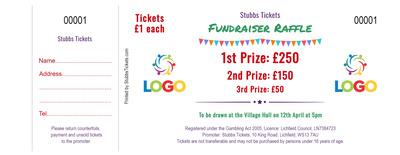
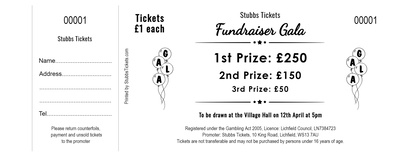
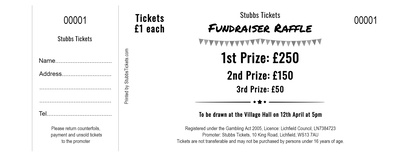
Every digital ticket must display:
- The name of the promoting society
- The price of the ticket
- The date of the draw (or means to determine it)
- The name and address of the responsible member/promoter
Age Restrictions and Record Keeping
Tickets may only be sold by persons over 16 to persons over 16 – you must implement age verification to prevent sales to minors. Additionally, records must be retained for at least 18 months by law, though the Gambling Commission recommends keeping them for three years.
Data Protection and International Participants
GDPR Compliance for Online Raffles
Online raffles inevitably collect personal data — names, email addresses, payment details — making GDPR compliance essential for protecting participant information. You must have clear legal basis for processing data (usually legitimate interest for fundraising), provide transparent privacy notices, and implement appropriate security measures.
- Publish a clear privacy notice explaining data use
- Obtain explicit consent for marketing communications
- Implement secure payment processing
- Provide easy opt-out mechanisms
- Delete data when no longer needed (after record keeping requirement)
International Participants
UK Small Society Lotteries can legally accept participants from overseas, but you must ensure compliance with both UK regulations and the participant’s local laws. Many countries restrict participation in foreign lotteries, so include clear terms stating participants are responsible for checking local legality.
Important
While UK law permits overseas participants in registered Small Society Lotteries, their local laws may prohibit participation. Always include terms requiring participants to verify they can legally enter.
Common Mistakes That Break the Law
Legal Practice
- Register before selling tickets
- Use proper business banking
- Include all required information on tickets
- Verify purchaser ages
- Keep detailed records
Illegal Practice
- Selling without registration
- Using personal PayPal accounts
- Missing ticket information
- No age verification
- Inadequate record keeping
One of the most common errors is using personal payment accounts like PayPal or personal bank accounts to collect raffle payments. This can be interpreted as running a raffle for personal profit, which is illegal regardless of your intentions.
Social Media Raffles: The Legal Reality
Facebook, Instagram, TikTok, and other social media raffles are subject to exactly the same licensing requirements as any other online raffle. The platform doesn’t change the legal obligations. Facebook raffles require the same Small Society Lottery registration as dedicated websites.
Many social media raffles operate illegally because organisers mistakenly believe social platforms provide some form of exemption. They don’t. Whether you’re selling tickets through a dedicated website, Facebook posts, or Instagram stories, you need proper licensing if operating online.
What Happens If You Get It Wrong
Operating an unlicensed online raffle is a criminal offence under the Gambling Act 2005. For offences committed after 12 March 2015, penalties can include unlimited fines and potential imprisonment of up to 51 weeks. Local authorities and the Gambling Commission actively investigate complaints about illegal lotteries.
Beyond legal consequences, running an illegal raffle can damage your organisation’s reputation and trustworthiness with supporters. The relatively small cost of proper licensing is insignificant compared to these risks.
For guidance on offline raffle regulations, see our guide on running raffles without a licence, which covers exempt lottery rules that don’t apply online.
Key Legal Requirements Summary
Running a legal online raffle in the UK requires careful attention to multiple regulatory requirements. The most critical elements include obtaining Small Society Lottery registration before selling any tickets, ensuring all digital tickets display mandatory information, implementing proper age verification, and maintaining detailed financial records.
Remember that GDPR compliance is equally important when collecting participant data, and while overseas participants are permitted, you should include appropriate terms about local law compliance. The investment in proper licensing and compliance is minimal compared to the legal and reputational risks of operating illegally.
Final Reminder
Small Society Lottery registration costs just £40 initially and £20 annually – a small price for legal compliance and peace of mind when running online raffles for your cause.
Frequently Asked Questions
Professional Raffle Tickets for Legal Compliance
Ensure your online raffle meets legal requirements with professionally designed tickets that include all mandatory information. Our raffle tickets are designed to comply with UK regulations and can be customised with your organisation details.