Searching for “online raffle business” reveals a harsh truth most websites won’t tell you: you cannot legally run a raffle business for personal profit in the UK. This comprehensive guide explains what you can and can’t do legally, plus legitimate alternatives for those wanting to enter the prize-based business sector.
Important Note
This guide covers the law in England, Scotland, and Wales under the Gambling Act 2005. Northern Ireland operates under separate legislation (the Betting, Gaming, Lotteries and Amusements (Northern Ireland) Order 1985) with different rules.
In This Guide
Key Takeaways
- Running raffles for personal profit is illegal under UK law
- Many “raffle businesses” are actually prize competitions or operate illegally
- You can legally provide raffle services to charities and community groups
- Prize competitions with skill elements offer a legitimate business alternative
- Property raffles typically operate as competitions, not true raffles
Why You Can’t Run Raffles for Profit
The Gambling Act 2005 is crystal clear: lotteries (which include raffles) can only be operated by non-commercial societies established and conducted for purposes other than private gain. This includes registered charities, PTAs, sports clubs, community groups, and other societies formed for charitable, educational, cultural, or recreational purposes—not just registered charities. Running a raffle business for personal profit is not just discouraged—it’s illegal.
Under UK law, raffles fall under the category of “small society lotteries” when run by eligible organisations. The profits must support the organisation’s stated purposes, not line individual pockets. Understanding these UK gambling laws and compliance requirements is essential for anyone considering entering this sector.
The Gambling (Licensing and Advertising) Act 2014 extended these rules so that any operator targeting UK consumers needs a Gambling Commission licence, even if based overseas. This strengthens enforcement against illegal overseas operations attempting to circumvent UK law.
Legal Warning
The Gambling Commission actively investigates illegal lotteries. Penalties can include fines up to £5,000 on summary conviction and up to 51 weeks imprisonment. More serious related offences can attract unlimited fines and up to two years on indictment. Don’t risk it.
The regulations exist to protect consumers and ensure that what appears to be charitable fundraising actually benefits good causes. This is why legitimate charity raffle regulations are so strictly enforced.
Small Event Raffles
The Gambling Act does permit small raffles at events like school fairs and charity dinners (Schedule 11 exempt lotteries) without any registration, provided they meet specific conditions including that tickets cannot be sold to under-16s and all proceeds after expenses go to purposes other than private gain.
What About Those “Raffle Businesses” Online?
Many websites promoting “online raffle business opportunities” fall into three categories:
- Prize competitions masquerading as raffles
- Operations based in jurisdictions with different gambling laws
- Businesses operating illegally in the UK
The confusion often stems from terminology. What many call “raffle businesses” are actually prize competitions that require an element of skill or judgment to comply with UK gambling laws.
Legal Prize Competition
- Requires skill or knowledge to enter
- Can be run for profit
- Must comply with ASA/CAP codes
- Clear terms and conditions required
Illegal Commercial Raffle
- Pure chance-based entry
- Run for personal profit
- Violates Gambling Act 2005
- No eligible organisation behind it
The Prize Competition Alternative
If you want to run a commercial prize-based business, structure it as a prize competition. This requires entrants to demonstrate skill, knowledge, or judgment—not just luck. Understanding the key differences between raffles and prize competitions is crucial for anyone exploring this raffle business alternative.
Essential Requirements for Prize Competitions
- Genuine skill element (not a token question)
- Free entry route required for free draws (pure chance draws)
- Clear terms and conditions
- ASA/CAP Code compliance for advertising
- Proper consumer protection measures
The skill element must be substantial. Simple questions like “What colour is grass?” won’t suffice. Think photography competitions, creative writing contests, or trivia requiring genuine knowledge. If a genuine skill element is present, a free entry route isn’t strictly required—it’s specifically required for free draws based on pure chance.
Pro Tip
Consult a gambling law specialist before launching any prize-based business. The distinction between legal competitions and illegal lotteries can be subtle but critically important.
Running a Raffle Platform Business
You can legally build a raffle business providing services to charities and community groups. This involves offering the technology, payment processing, and support—but you’re not running the raffles yourself.
Platform Business Model
This raffle business model works because you’re enabling eligible organisations to run their own legal raffles. Understanding online raffle technology and ticket sales systems is essential for platform developers. You provide:
- Online raffle platform technology
- Payment processing services
- Ticket management systems
- Customer support
- Compliance guidance
However, you’ll likely need to register with the Gambling Commission as a provider of gambling software, depending on your specific services.
Costs and Requirements for Platform Businesses
Setting up a legitimate raffle platform business involves significant costs and regulatory compliance:
| Expense Category | Estimated Cost | Timeline |
|---|---|---|
| Gambling Commission registration* | £2,500 – £15,000 | 3-6 months |
| Software development & security | £50,000 – £200,000 | 6-18 months |
| Legal compliance review | £10,000 – £25,000 | 2-4 months |
| Professional indemnity insurance | £5,000 – £20,000 annually | 1-2 weeks |
| Payment processing setup | £5,000 – £15,000 | 2-3 months |
*Check current fees on gamblingcommission.gov.uk as these change regularly
Insurance Requirements
Raffle platform businesses typically need comprehensive insurance coverage:
- Professional indemnity insurance (£1-5 million coverage)
- Public liability insurance (minimum £2 million)
- Cyber liability insurance for data breaches
- Errors and omissions coverage
- Directors and officers insurance if incorporated
Case Study: Successful Platform Businesses
Several legitimate businesses operate in this space:
- Raffall: Established platform serving UK charities with Gambling Commission oversight
- Unity Lotteries: Provides lottery management services to multiple charities under proper licensing
- Localgiving: Offers raffle functionality as part of broader fundraising platform for registered charities
These businesses succeed by focusing on compliance, transparency, and genuine service to the charity sector rather than quick profits.
Becoming a Raffle Organiser for Good Causes
Another legitimate path involves setting up a charity or Community Interest Company (CIC) that runs raffles for charitable purposes. The profits support good causes rather than personal enrichment. Those pursuing this raffle business model should understand the specific requirements for charity raffles and proper compliance procedures.
Establish Your Organisation
Register as a charity with the Charity Commission or set up a CIC (though CICs should seek legal advice on whether they meet the eligibility criteria for operating lotteries). This provides the legal framework for running raffles.
Define Your Purpose
Clearly articulate how raffle proceeds will support your charitable objectives or community benefit.
Apply for Licences
Register with your local authority for small society lottery licences as required by raffle licensing requirements.
While you can’t pocket the profits personally, you can draw a reasonable salary as an employee or contractor of the organisation.
Timeline for Setting Up Different Operations
Charity Registration (3-6 months)
Charity Commission application, governance setup, initial compliance framework
Platform Business (12-24 months)
Gambling Commission registration, software development, compliance systems, insurance
Prize Competition Business (6-12 months)
Legal structure, competition design, advertising compliance, launch preparation
The “Property Raffle” Trend
Online house raffles and car raffles have gained attention in the raffle business sector, but most operate as prize competitions rather than true raffles. They typically require entrants to answer a skill-based question correctly.
However, this sector faces significant regulatory scrutiny. The Advertising Standards Authority has investigated numerous property competition businesses for misleading advertising or insufficient skill elements.
Important
Property competitions carry high reputational and regulatory risks. Many have faced ASA sanctions or Gambling Commission investigations. Proceed with extreme caution and expert legal advice.
What to Watch Out For
Be wary of any scheme promising easy money from online raffle businesses. Red flags include:
- “Raffle business in a box” packages
- Templates claiming to make raffles “legal”
- Promises of guaranteed profits from raffle businesses
- Advice to ignore UK gambling laws
- Overseas companies offering UK raffle licences
If someone’s selling you a ready-made raffle business opportunity, ask hard questions about the legal basis. Legitimate opportunities should withstand scrutiny.
Frequently Asked Questions
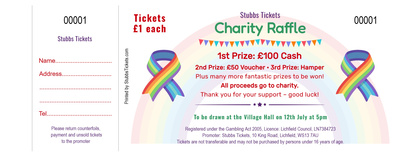
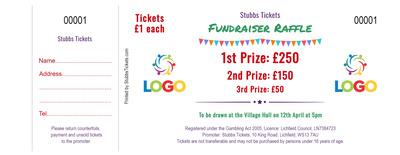
Even digital-first operators lean on print: printed raffle tickets remain the standard for venue-based draws and hybrid events.
Looking to Support Legitimate Raffles?
While you can’t run raffles for profit, you can help charities and community groups run successful fundraising raffles with professional-quality tickets that comply with all UK regulations.