Running raffles for charity fundraising requires careful attention to UK regulations and compliance requirements. Understanding charity lottery licence requirements UK and gambling commission raffle rules helps ensure your organisation can host successful fundraising raffles while staying within the bounds of the law and avoiding potential penalties.
In This Guide
Key Takeaways
- Charity raffles are governed by the Gambling Act 2005 and regulated by the Gambling Commission
- Most charity raffles operate as exempt lotteries requiring no licence, but rules still apply
- Prize values, ticket sales locations, and draw timing all have specific regulations
- Proper record keeping is essential for demonstrating compliance
- Understanding the difference between incidental and society lotteries is crucial
Understanding UK Raffle Regulations
The Gambling Act 2005 provides the legal framework for all gambling activities in England, Wales, and Scotland, including charity raffles. Northern Ireland operates under separate legislation through the Betting, Gaming, Lotteries and Amusements (Northern Ireland) Order 1985, administered by the Department for Communities. In Scotland, while the Gambling Act 2005 applies, local authorities may have additional requirements for society lottery registration.
The Gambling Commission serves as the regulatory body overseeing compliance with these regulations across England, Wales and Scotland. While most charity raffles don’t require a licence, they must still operate within specific parameters to remain legal. These regulations cover everything from prize values to where tickets can be sold.
Recent Enforcement Action
The Gambling Commission has enforcement powers to investigate non-compliant lotteries and can impose significant penalties. Operating unlicensed lotteries is a serious offence, making it essential to understand and follow the appropriate regulations for your raffle type.
Pro Tip
Always check the latest guidance on the Gambling Commission website before planning your raffle, as regulations can change and interpretation may evolve over time.
Types of Charity Raffles
UK law recognises several categories of charity raffles, each with different compliance requirements. Understanding which category your raffle falls into is essential for ensuring proper compliance.
| Raffle Type | Maximum Prize Value | Licence Required | Key Restrictions |
|---|---|---|---|
| Incidental Non-Commercial | £500 deducted for prizes (donated prizes unlimited) | No | Must be incidental to non-commercial event |
| Private Society | No statutory cap (all proceeds to prizes/expenses) | No | Only to society members and persons on premises |
| Small Society | £25,000 per draw | Registration (Local Authority) | Annual proceeds under £250,000, max ticket sales £20,000 per draw |
| Large Society | £500,000 (or £25,000/10% of proceeds, whichever is greater) | Yes (Gambling Commission) | Annual proceeds over £250,000, at least 20% to charity purposes |
Incidental Non-Commercial Lotteries
These are the most common type of charity raffle, typically held at events like summer fetes, Christmas fairs, or charity dinners. The raffle must be incidental to a larger event, and all tickets must be sold at the event venue. Summer fair organisers often rely on this category for their fundraising raffles. Importantly, while only £500 can be deducted from proceeds to pay for prizes, donated prizes have no value limit. Additionally, promoters cannot deduct more than £100 from proceeds for expenses such as printing costs or equipment hire. For organisations wanting to understand when no licence is needed, our guide on running a raffle without a licence provides detailed information.
Private and Small Society Lotteries
Private society lotteries are restricted to members of the organising society and persons on the premises used for the society’s administration. Small society lotteries require registration with the local authority but offer more flexibility in terms of ticket sales and prize values. They must ensure at least 20% of proceeds go to the society’s purposes. Many established charities operate under small society lottery registrations to maximise their fundraising potential. Our comprehensive guide on running a public raffle or small society lottery covers all the essential steps.
Licensing Requirements
Most charity raffles operate as exempt lotteries, meaning no licence is required. However, this doesn’t mean they’re exempt from regulations. Understanding when a licence is needed helps prevent accidental non-compliance.
Assess Your Raffle Type
Determine whether your raffle fits the criteria for an exempt lottery or requires licensing based on prize values, ticket sales method, and annual proceeds.
Register if Required
For small society lotteries, register with your local authority. The Gambling Commission states the registration fee is normally £40. Contact your local licensing authority for current rates.
Submit Returns
Licensed lotteries must submit returns within three months of each draw, detailing ticket sales, prizes awarded, and proceeds distributed to the charity.
Important
Operating a lottery that requires a licence without proper registration is a criminal offence under the Gambling Act 2005, potentially resulting in imprisonment of up to 51 weeks in England and Wales (or 6 months in Scotland), together with a fine not exceeding level 5 on the standard scale.
Digital Compliance Requirements
With increasing use of digital platforms for raffle promotion and ticket sales, organisations must understand additional compliance requirements for online activity.
Online Ticket Sales
Selling raffle tickets online usually requires a small society lottery registration, as most online sales don’t qualify for exempt lottery status. However, societies that run small society lotteries and sell tickets by means of remote communication are not required to hold a remote gambling licence issued by the Commission. Key digital compliance requirements include:
- Age verification systems to prevent underage participation
- Clear terms and conditions displayed before purchase
- Secure payment processing and data protection measures
- Geographic restrictions to comply with jurisdiction requirements
- Accessible customer support and complaint procedures
Social Media Promotion
When promoting raffles on social media platforms, organisations must ensure all promotional content includes mandatory information such as the promoting society’s name, licence details (if applicable), and terms and conditions. Proper compliance in digital marketing is essential to avoid regulatory scrutiny.
Digital Best Practice
Create template social media posts that include all required compliance information to ensure consistency across all promotional activities and reduce the risk of accidental omissions.
Compliance Checklist
Ensuring compliance requires attention to multiple aspects of your raffle operation. This checklist covers the key areas that regulators focus on during investigations.
- Prize values remain within limits for your raffle category
- Tickets clearly state the charity name and purpose
- Draw date and location are specified on tickets
- Minimum age requirements are observed (16+ is the legal minimum, though organisations can set higher)
- Ticket sales are restricted to permitted locations and methods
- Draw is conducted fairly and transparently
- Winners are notified promptly and prizes distributed
- Proceeds are used for stated charitable purposes
Ticket Design Compliance
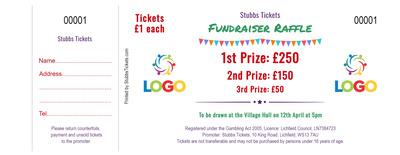
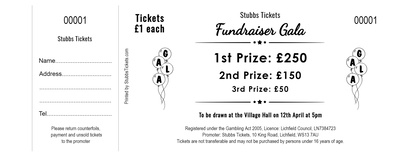
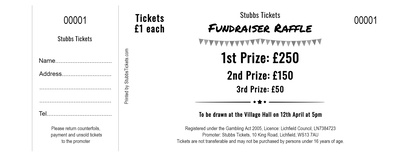
Your raffle tickets must include specific information to comply with regulations. This includes the promoting society’s name, the draw date, ticket price, and a clear statement of the charitable purpose. Ensuring transparency in your draw process is equally important – our guide on conducting fair raffle draws provides essential best practices.
Record Keeping Requirements
Maintaining accurate records is crucial for demonstrating compliance and managing your charity’s accountability. The Gambling Commission expects organisations to keep detailed records even for exempt lotteries. While the statutory requirement for small society lottery returns is 18 months, the Gambling Commission recommends retaining records for three years in case they need to inspect them.
| Record Type | Retention Period | Key Information |
|---|---|---|
| Ticket Sales | 3 years (recommended) | Number sold, price, total proceeds |
| Prize Records | 3 years (recommended) | Prize details, values, winner information |
| Draw Documentation | 3 years (recommended) | Draw method, witnesses, results |
| Financial Records | 3 years (recommended) | Expenses, proceeds distribution, bank statements |
Pro Tip
Digital record keeping makes compliance easier and more secure. Consider using cloud storage with regular backups to ensure records are preserved and easily accessible.
Common Compliance Mistakes
Understanding common pitfalls helps prevent accidental violations that could jeopardise your charity’s fundraising activities and reputation.
Do This
- Clearly state on tickets when and where the draw will take place
- Ensure all ticket sellers understand age restrictions
- Use appropriate pricing strategies that comply with regulations
- Conduct draws transparently with independent witnesses
Don’t Do This
- Sell tickets to anyone under 16 (or your organisation’s minimum age)
- Exceed prize value limits for your lottery category
- Sell tickets in prohibited locations like public streets
- Use raffle proceeds for non-charitable purposes
Prize Value Violations
One of the most common mistakes involves exceeding prize value limits. This is particularly problematic for incidental lotteries where only £500 can be deducted from proceeds for prizes, though donated prizes can exceed this limit. Understanding these distinctions is crucial for compliance.
Sales Location Restrictions
Selling tickets in prohibited locations is another frequent violation. Maximising ticket sales must be balanced against compliance requirements, particularly for incidental lotteries where tickets can only be sold at the event venue.
Frequently Asked Questions
Professional Raffle Tickets for Compliant Fundraising
Ensure your charity raffles meet all legal requirements with professionally printed tickets that include all mandatory information. Our compliant designs help you focus on fundraising while meeting regulatory standards.